REVIEW · OAHU
Oahu: Pearl Harbor Aviation Museum Entry & Hangar Tour
Book on GetYourGuide →Operated by Pearl Harbor Aviation Museum · Bookable on GetYourGuide
WWII history feels close here, literally under real hangar roofs. This hour-long tour takes you through WWII hangars tied to the Pearl Harbor attack, then adds one very rare perk: a climb up the Ford Island Control Tower for a high, attack-point view of Oahu. I especially like how the hangars keep the story grounded in aircraft and the spaces where crews worked, and I like the Restoration Shop stop, because you can see what it actually takes to keep old airplanes from disappearing. The main drawback to plan around is practical: this is an active Navy base with tight rules and limited lockers, and it is not wheelchair-friendly.
You start at the Pearl Harbor Historic Sites Visitor Center and ride a complimentary shuttle to the museum area on Ford Island. From there, your guided tour covers Hangars 37 and 79, plus the Restoration Shop, and finishes with the control tower ascent before returning to the visitor center. If you want a quick, focused hit of Pearl Harbor aviation history without trying to do everything in one day, this format is a good fit. Just note that photography is restricted (no flash), and you’ll want comfortable shoes because you’re walking.
In This Review
- Key Highlights You’ll Care About
- Pearl Harbor Aviation Museum and Ford Island: What Makes It Different
- Getting There: Visitor Center Shuttle and Navy Base Rules
- Hangars 37 and 79: WWII Aircraft and the Spaces Where Crews Worked
- The Restoration Shop: Seeing History Get Kept Alive
- Ford Island Control Tower: The 168-Foot View You Can’t Get Anywhere Else
- What One Hour Feels Like: A Tight, Focused Structure
- Price and Value: Is $40 Worth It?
- Who Should Book (and Who Should Rethink It)
- What to Bring and What to Leave Behind
- Should You Book This Hangar Tour?
- FAQ
- Where does the tour start?
- How long is the Pearl Harbor Aviation Museum hangar tour?
- What’s included in the price?
- Do I need to arrange transportation to and from the museum?
- What parts of the museum are visited?
- How tall is the Ford Island Control Tower?
- Is flash photography allowed?
- Are backpacks allowed?
- What items am I allowed to bring onto the base area?
- Is the tour wheelchair-accessible?
Key Highlights You’ll Care About
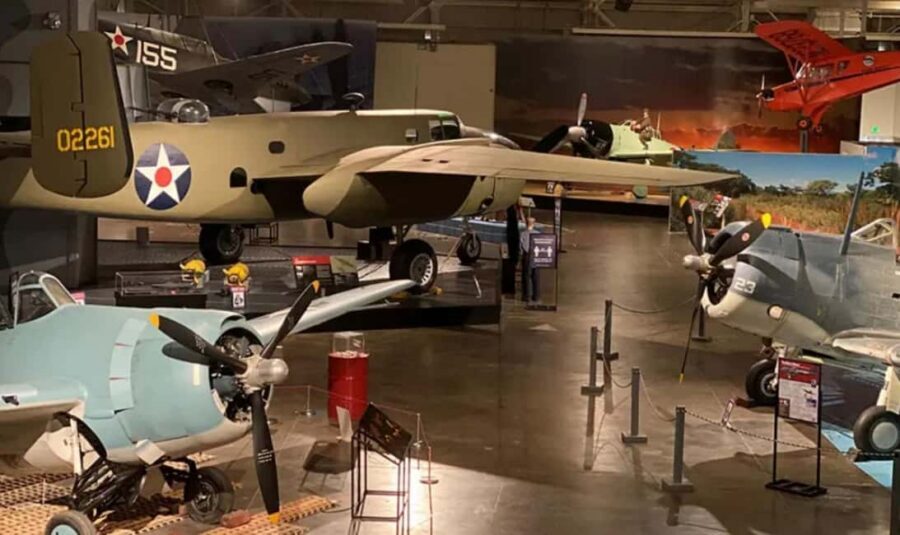
- Hangars 37 and 79: WWII aviation spaces that survived the attack era and still feel real
- Restoration Shop access: a hands-on look at how aircraft and artifacts are maintained
- Ford Island Control Tower (168 feet): a rare birds-eye view of the attack points across Oahu
- Personal stories and artifacts: human-scale context tied to what you’re seeing on-site
- Short, guided timing (1 hour): designed for focus, not all-day wandering
Pearl Harbor Aviation Museum and Ford Island: What Makes It Different
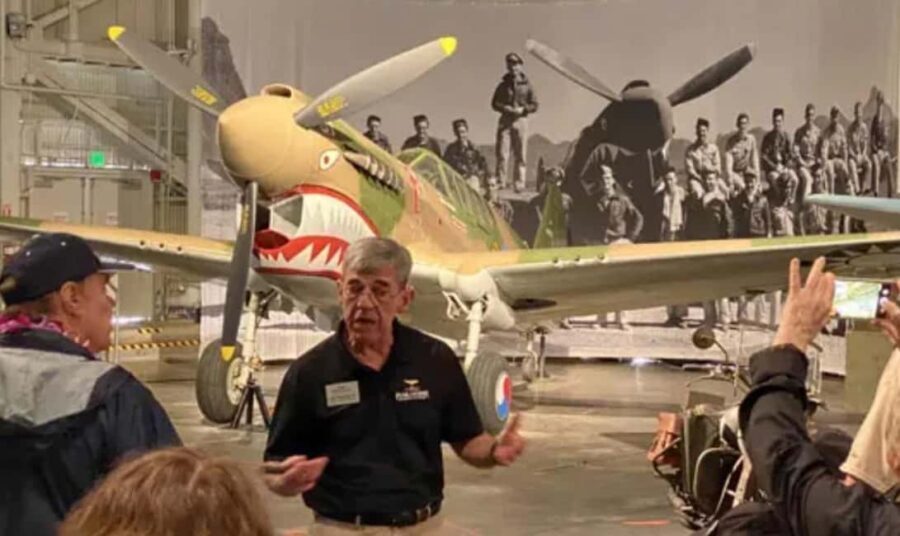
This isn’t just a museum where everything sits behind glass. You’re walking through historic hangars at Pearl Harbor and moving through areas connected to WWII aviation operations. That change matters. When you look at aircraft in the exact kind of buildings where people once serviced them, the whole story sticks better.
I also like that the visit has a built-in “scale change.” First you’re at hangar level, close to the workspaces. Then you climb up to a control tower vantage point. That two-level approach helps you connect how the fighting unfolded on the ground with how it looked from above—without needing a long, complicated itinerary.
Finally, the tour stays focused on aviation. If you’re already doing the broader Pearl Harbor sites that day, this is a smart add-on because it shifts your attention to aircraft, restoration, and the operational side of the attack story.
Other Pearl Harbor Aviation Museum tours

Getting There: Visitor Center Shuttle and Navy Base Rules

Your tour begins at the Pearl Harbor Historic Sites Visitor Center. After you arrive, catch the complimentary shuttle to the Pearl Harbor Aviation Museum, which is the second stop located on Ford Island. The transfer time is about 15 minutes, so you’re not waiting around for long.
One thing to plan for: Ford Island is an active Navy base. Only a mobile phone and wallet are allowed. That means you’ll want to travel light. Also, there are limited lockers outside the Visitor Center, which you can use if you need a place for items you can’t bring onto the base area.
There are a few other rules that affect day-of comfort:
- No backpacks
- No flash photography
- Bring comfortable shoes and water, especially in Hawaii heat
- The tour is in English with a live guide
If you’re the type who always packs a small day bag “just in case,” treat that instinct like a habit you’re leaving behind for this stop. A little prep saves a lot of hassle.
Hangars 37 and 79: WWII Aircraft and the Spaces Where Crews Worked
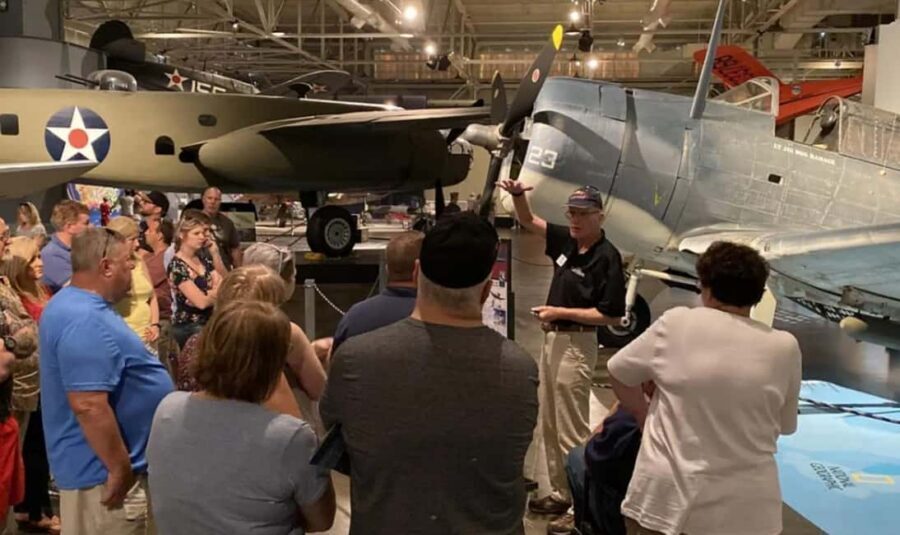
The heart of the experience is your hour-long guided tour through Hangars 37 and 79. These buildings give the WWII story a physical setting. You’re not only viewing aircraft and exhibits—you’re inside the structures that shaped how people worked: the layout, the scale, and the sense of aircraft maintenance happening in real-time back then.
What I like most is that the tour guides attention to the connection between place and purpose. When you’re standing in a hangar, aircraft don’t feel like random displays. They feel like equipment in a workplace. That makes the personal stories land better, too, because the guide can point out artifacts and context tied to what happened during the Pearl Harbor attack.
You’ll also get historical exhibits and artifacts during this walk-through. The value here is clarity. The guided pace helps you avoid getting lost in a collection. Instead of trying to “read everything,” you get a guided route through the most meaningful parts.
A possible consideration: since your museum time is only about 1 hour, you won’t have unlimited browsing time at every corner. If you’re a slow museum reader or you love lingering, you’ll want to focus on what the guide points out rather than trying to absorb every detail on your own.
The Restoration Shop: Seeing History Get Kept Alive
One of the best stops is the Restoration Shop. This is where your tour shifts from what happened to what happens next—how old aircraft and pieces of aviation history survive long enough to be seen.
Because the shop is included in the guided portion, you’re not just looking at something restored and finished. You’re getting a behind-the-scenes view of restoration efforts. That changes the way you interpret the whole museum visit. Instead of thinking of WWII aviation as static history, you start seeing it as ongoing work: repairs, upkeep, and careful decisions about how to preserve aircraft and related items.
This is also a good place for value. For many museums, the “wow” moment is one-time viewing. Here, the restoration emphasis gives you a reason to care beyond the past. You’re seeing why conservation matters—and you’re seeing it in an aviation setting, not a generic conservation lab.
If you’re someone who likes practical, craft-oriented experiences—tools, maintenance, the logic of repair—this shop stop is one of the main reasons the tour is worth doing even if you’ve seen other Pearl Harbor content elsewhere.
Ford Island Control Tower: The 168-Foot View You Can’t Get Anywhere Else
Then you get the climb.
The Ford Island Control Tower is 168 feet above the battlefield. That height matters because it changes how you understand geography. From that point, the guide can help you connect the story to the map in your head: where the attack points were across Oahu, and how the overall situation looked from above.
The tour describes the view as the only birds-eye perspective of all the attack points across Oahu. Whether you’re a first-time visitor or someone who already knows the names of key areas, this kind of “from overhead” understanding is often what makes everything click.
I also appreciate that this is not a long tower visit. It’s a specific add-on to the museum portion, so it doesn’t turn the tour into a long, stretched-out day. You get the vantage, you get the context, and then you move on.
Practical note: wear shoes you can trust. You’ll want stable footing during the tower ascent and around viewing spots, and the whole experience is about walking through multiple historic areas.




What One Hour Feels Like: A Tight, Focused Structure
This tour is designed for focus: about an hour at the museum, with Hangars 37 and 79, the Restoration Shop, and the control tower ascent all included. That structure is great when you don’t want to get bogged down or spend the day trying to plan your own route.
Here’s how the timing generally works in real life:
- You meet at the Visitor Center.
- You ride the complimentary shuttle to Ford Island.
- You get guided time inside the hangars and exhibits.
- You visit the Restoration Shop.
- You climb the control tower for the overhead view.
- You return to the Visitor Center when finished.
For many people, this is exactly the sweet spot. It’s long enough to feel like more than a quick stop, but short enough that you can still add other Pearl Harbor experiences afterward without feeling rushed.
The main limitation is obvious: you can’t expect a half-day exploration. If you want deep reading, long photo sessions, or plenty of free time to wander, this format may feel short.
Price and Value: Is $40 Worth It?
At $40 per person, this tour isn’t a bargain deal. But it also isn’t trying to be. The value is in three parts:
First, you’re getting a guided experience inside historic hangars (Hangars 37 and 79) tied to the Pearl Harbor attack era. That kind of access, in these kinds of spaces, takes more than just paying admission.
Second, the Restoration Shop inclusion adds real-world value. It’s not just a display; it’s a behind-the-scenes operations view, and restoration takes ongoing expertise and effort.
Third, the Ford Island Control Tower climb is a special add-on. Tower access is the kind of experience that usually costs more in other settings, especially when it connects directly to a major historical storyline and provides a unique birds-eye view.
If your goal is a focused aviation-focused slice of Pearl Harbor within about an hour, $40 can be a reasonable price. If your goal is to spend lots of unstructured time and wander at your own pace for a long afternoon, you may feel like you paid for a “guided highlights” format rather than unlimited museum time.
Who Should Book (and Who Should Rethink It)
I’d recommend this tour if you:
- Want a WWII aviation angle on Pearl Harbor, not just a general battlefield overview
- Like guided storytelling that ties artifacts to where you’re standing
- Appreciate restoration and preservation work enough to watch it in action
- Prefer a short, structured visit you can pair with other stops
You might rethink it if:
- You use a wheelchair, because the tour is not suitable for wheelchair users
- You rely on a bag for essentials, since backpacks aren’t allowed and base rules are strict
- You need long breaks and unhurried browsing, because the experience is time-boxed to about 1 hour
It’s also a good pick for photographers who can follow rules. You can bring a camera, but flash photography is not allowed. That’s common for museums, but it affects how you plan your shots.
What to Bring and What to Leave Behind
Bring:
- Comfortable shoes
- A camera (with no flash)
- Water
Plan to leave behind:
- Backpacks
- Anything you can’t keep to the allowed items once you’re on the Navy base area
And if you’re worried about storage, remember the lockers are limited outside the Visitor Center. A little pre-decision helps: take only what you need for a short, guided hour.
Should You Book This Hangar Tour?
If you want a meaningful, efficient Pearl Harbor aviation experience, I think you should book it. The combination of walking through Hangars 37 and 79, seeing restoration efforts in the Restoration Shop, and climbing up to the 168-foot Ford Island Control Tower gives you three different ways to understand the same historical moment.
Skip it only if mobility or storage rules create problems for you, or if you’re looking for a long, self-guided museum day. For the right traveler, this is a smart use of time—and a very visual way to connect the attack story to aviation, workspaces, and the ongoing effort to preserve what survived.
FAQ
Where does the tour start?
It starts at the Pearl Harbor Historic Sites Visitor Center. After you arrive there, you take a complimentary shuttle to the Pearl Harbor Aviation Museum.
How long is the Pearl Harbor Aviation Museum hangar tour?
The museum portion is about 1 hour, including the guided Hangars 37 and 79 visit, the Restoration Shop, and the control tower ascent.
What’s included in the price?
You get museum admission and a guided tour.
Do I need to arrange transportation to and from the museum?
Transportation to and from the museum is not included, but the tour meeting process includes a complimentary shuttle from the Visitor Center to the museum area on Ford Island.
What parts of the museum are visited?
The guided tour covers Hangars 37 and 79, includes the Restoration Shop, and includes ascending the Ford Island Control Tower.
How tall is the Ford Island Control Tower?
The control tower is 168 feet above the battlefield.
Is flash photography allowed?
No. Flash photography is not allowed.
Are backpacks allowed?
No. Backpacks are not allowed.
What items am I allowed to bring onto the base area?
On this active Navy base, only a mobile phone and wallet are allowed.
Is the tour wheelchair-accessible?
No, the tour is not suitable for wheelchair users.