REVIEW · HONOLULU
Pearl Harbor Aviation Museum Ticket with Audio Tour and Shuttle
Book on Viator →Operated by Pearl Harbor Aviation Museum · Bookable on Viator
Pearl Harbor feels different when you’re inside the hangars. This ticket takes you to Ford Island and into Hangar 37 and Hangar 79—structures that survived December 7, 1941—so the aviation story plays out in the same spaces where the attack unfolded. You also get priority entrance plus a self-guided audio tour headset in multiple languages.
What I really like is how much aircraft you can study up close in two former seaplane hangars, including WWII-era planes and the later jet aircraft on display in MiG Alley. I also like the way the museum builds the timeline with wartime footage and a short documentary called East, Wind, Rain.
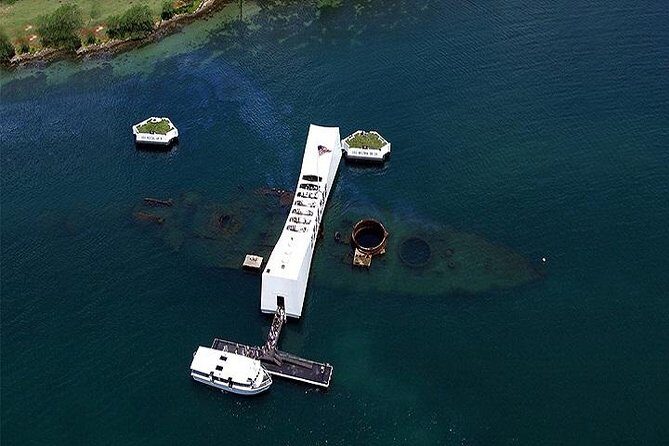
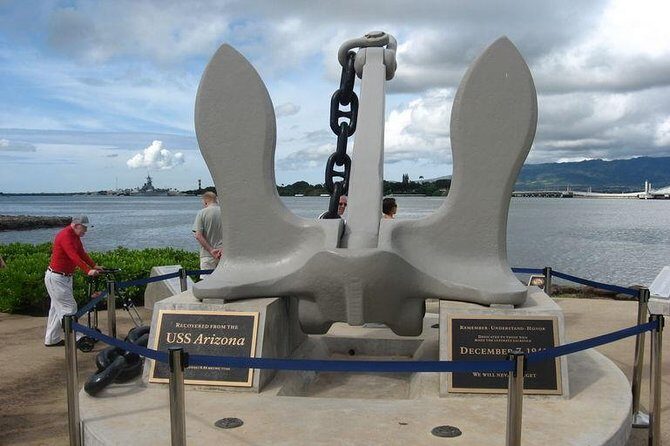
One drawback to plan around: it’s easy to mix this up with the USS Arizona Memorial. Double-check you’re booked for the aviation museum on Ford Island, not the memorial site, or you’ll start your day with a big, avoidable disappointment.
In This Review
- Key things to know before you go
- Ford Island and the Hangars That Survived Dec 7
- Priority entrance plus the multilingual audio tour headset
- How the museum tells the Pearl Harbor story through film and footage
- WWII aircraft in Hangar 37 and Hangar 79: what to focus on
- Battle of Midway and the attack-aircraft exhibit
- MiG Alley: Korean War fighter planes up close
- Control tower film and the optional tower tour
- Shuttle, Hangar Café, and planning for a 9-hour visit
- What this ticket is best for (and who might want to choose differently)
- Should you book this Pearl Harbor Aviation Museum audio tour?
- FAQ
- How long does the Pearl Harbor Aviation Museum ticket take?
- Is the ticket really skip-the-line?
- What languages are available for the audio tour?
- What does the shuttle include?
- What is included with the admission price?
- What aircraft or exhibits can I expect to see?
- Are meals included?
- Are there any restrictions for children or service animals?
Key things to know before you go
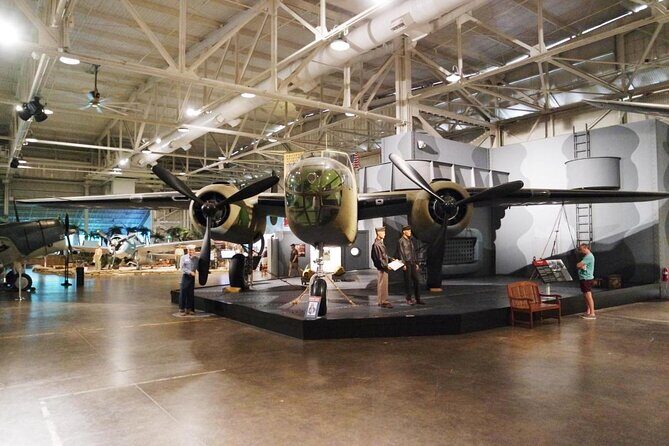
- Two surviving hangars (Hangar 37 and Hangar 79): aircraft displays sit in WWII-era spaces, not a modern annex.
- Audio tour in English plus 5 other languages: headsets are available; you pick them up at the front desk.
- Priority entrance + full museum access: the ticket is built for a smooth start and a long, flexible visit.
- WWII to Korean War timeline: you’ll move from Pearl Harbor context to MiG Alley fighter planes.
- A “Midway attack” aircraft stop: the exhibit connects the Pacific air war beyond Pearl Harbor.
- Food on-site at Hangar Café: you’re not forced to leave Ford Island for a basic meal.
Ford Island and the Hangars That Survived Dec 7
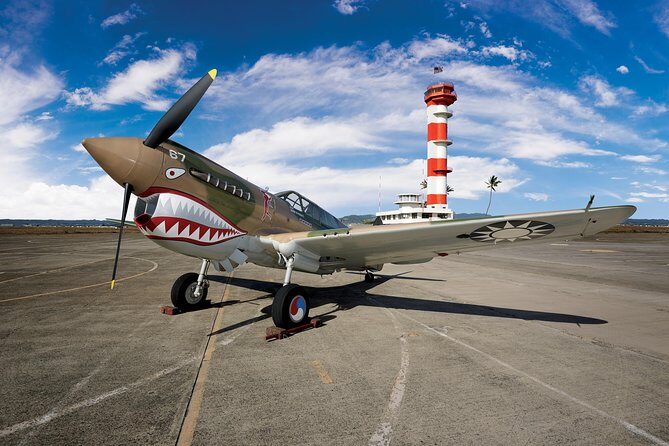
This experience is centered on Ford Island in Honolulu, where the Pacific aviation story is housed inside Hangar 37 and Hangar 79. These are not random museum buildings. They survived the Japanese attack on Pearl Harbor on December 7, 1941, which changes how you read every exhibit. Instead of looking at planes behind barriers, you’re moving through a site that holds physical weight.
The ticket is designed for priority entrance, which matters because it lets you start earlier and settle into a self-paced rhythm. The visit is built to last much of the day (plan on about 9 hours), so the calmer start helps. And because you have full access to the museum collection, you can slow down where you care most—aircraft, wartime footage, or the stories tied to specific machines.
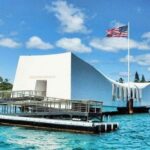
Practical note: if your mental map of Pearl Harbor is mostly the USS Arizona Memorial, do a quick reality check before you go. This ticket is for the aviation museum on Ford Island, which is a different stop with a different focus.
If you're still narrowing it down, here are other tours in Honolulu we've reviewed.


Priority entrance plus the multilingual audio tour headset
You get a mobile ticket plus a headset for a self-guided audio tour (with options in English, Spanish, Japanese, French, Korean, and Mandarin). It’s simple, but it’s also a smart way to see a lot without turning the museum into a rushed lecture.
Here’s how I’d use it: start your audio tour right when you begin, then pause the headset when you want to read wall text or step closer to an aircraft detail. The headsets are available in multiple languages, but you still control your pace. That flexibility is especially helpful for families and mixed-interest groups.
One other detail that makes the audio tour feel more useful: the museum also shows film and documentary content. So the audio narration doesn’t exist alone. It supports what you’re watching and what you’re seeing in the hangars.
How the museum tells the Pearl Harbor story through film and footage
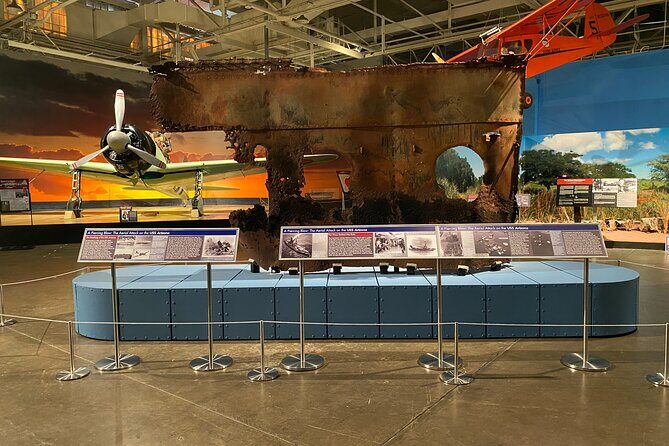
Inside the museum, you’re guided through the Pearl Harbor narrative using real wartime material and short screen presentations. You’ll see footage of the attack, and you’ll also get a short documentary titled East, Wind, Rain. The effect is to connect the aircraft displays to the moment in time they’re linked to, instead of treating planes as isolated objects.
If you care about context, this part is where the museum really earns its keep. You’re not just hunting for famous models. You’re learning why these aircraft mattered, how the fight shaped decisions, and what survived long enough to tell the story in physical form.
A small planning tip: because you’re spending a long day walking between hangars and exhibits, don’t assume you’ll watch every video at full attention. Pick the film content you most want to absorb, then use the headset during the gaps so you keep moving without losing the story.
WWII aircraft in Hangar 37 and Hangar 79: what to focus on
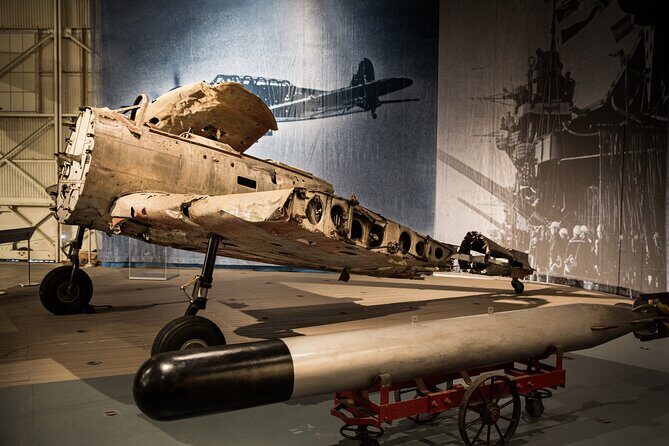
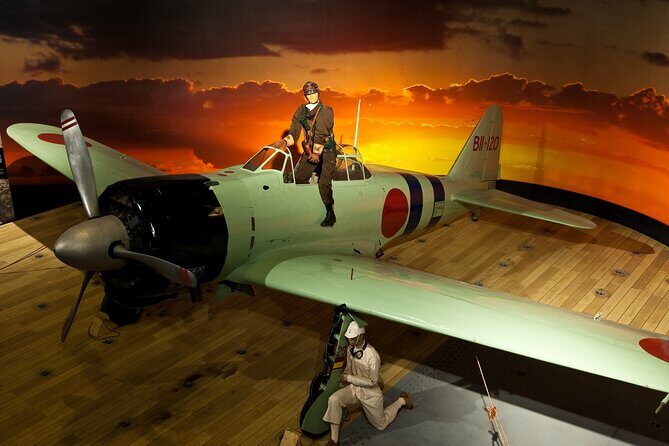
This ticket brings you into two former seaplane hangars that hold the core of the collection. One of the highlights is being able to look for bullet holes from the WWII attack. That kind of detail hits harder in a preserved building. It turns the exhibits into something physical, not just graphic panels.
The museum collection covers more than one era, too. Expect to see aircraft categories across the conflict span, including bombers and interceptors, plus helicopters and fighter planes. That variety is a big part of why this ticket can work for people who aren’t die-hard aircraft nerds: even if you only like certain types of planes, there’s still a path through the hangars that feels relevant.
How to get the most value from this section:
- Spend your first pass scanning the aircraft you recognize, then circle back.
- When you see bullet-hole details or battle-context signage, slow down and read carefully.
- If you’re an aviation fan, give extra time to cockpits and interior displays, since that’s where the hangars really feel real.
Battle of Midway and the attack-aircraft exhibit
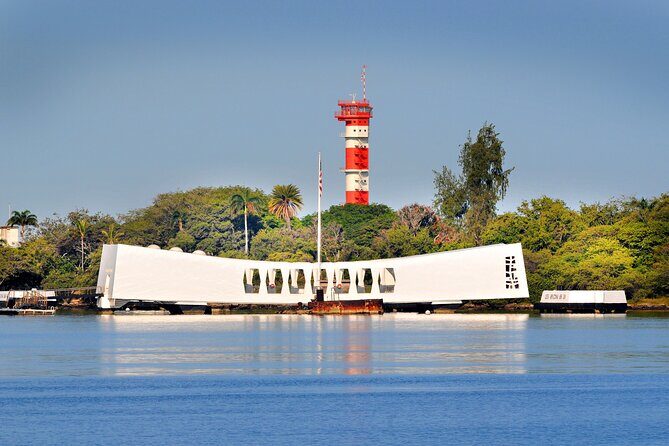
One of the museum’s “step out of Pearl Harbor” moments comes when you check out an attack aircraft connected to the Battle of Midway. It’s a key transition point because it keeps the story from stopping at December 7.
For most people, Pearl Harbor is the headline. The Midway connection helps you understand how the Pacific war shifted from one turning point to the next. Even if your background is basic, the exhibit format makes it easier to see the broader arc.
I’d treat this as your mid-visit checkpoint. After a lot of WWII aircraft time in the hangars, this is a natural place to reset your brain and reframe what you’re seeing.


MiG Alley: Korean War fighter planes up close
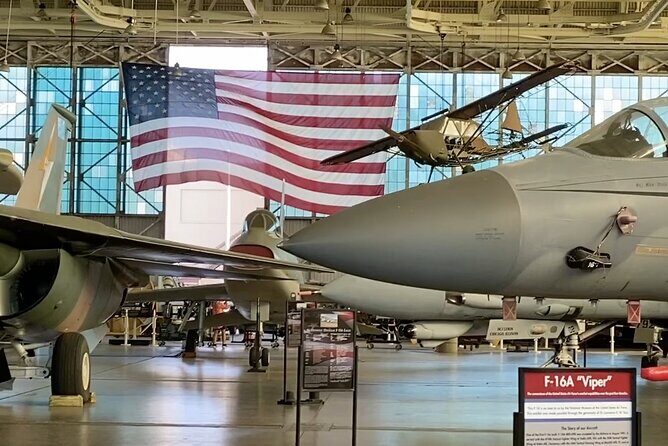
Then you move into MiG Alley, where the focus shifts to fighter planes from the Korean War era. This is one of those “surprising value” sections: many Pearl Harbor-focused visits feel like they live only in WWII. Here, you get a later chapter.
Seeing MiG Alley aircraft up close does something photos can’t do. You can compare shape, scale, and design cues from multiple angles, and you start to understand the engineering choices without reading a textbook.
If you’re bringing someone who thinks they only care about WWII, this is an excellent reason to stay the whole day. The museum’s layout gives you a natural reason to keep exploring after the first wave of Pearl Harbor context.
Control tower film and the optional tower tour
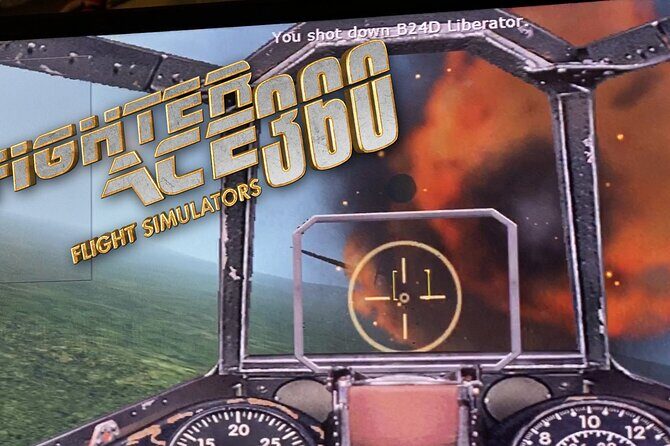
In addition to the hangar exhibits, there’s a control tower area with a video presentation. The video format adds a different viewpoint—less “stand and stare at the aircraft” and more “understand how operations looked.”
There’s also a tower experience called the Top of the Tower Tour, but it’s not included with this particular ticket. If you want a higher viewpoint, you’ll need to add it separately. I like having that option in mind because it can turn a long museum day into a full storytelling arc: hangar-level aircraft details, then a control-style view of the bigger scene.
If you’re deciding what to prioritize, consider this rule of thumb: if you want the museum experience itself, you already have plenty here; if you want views, add the tower experience.
Shuttle, Hangar Café, and planning for a 9-hour visit
You get a complimentary shuttle to and from Ford Island. That matters because it reduces friction—no last-minute figuring out parking or timing. Start time is 9:00 am, so you’ll want to be ready to move early.
Food is handled on-site at the Hangar Café. Since meals aren’t included, plan on building in at least one break for hydration and a sit-down bite. The museum is outdoors-adjacent in a few places, and it can feel warm while you’re walking and looking.
A real-world tip: there’s a bag storage step at the entrance, and one recent visitor noted it costs about $8. If you’re traveling with camera gear or extra layers, it’s worth planning for that so you don’t end up scrambling when you arrive.
Also pack smart:
- Bring a hat and water (the aircraft displays and any outdoor viewing areas can get warm).
- Keep a few minutes extra buffer early in the day; the priority entrance helps, but your time still depends on your walking pace and how long you pause at each hangar.
What this ticket is best for (and who might want to choose differently)
This experience fits best if you like aviation history that you can see with your own eyes. The ticket is especially good for people who want:
- aircraft exhibits inside authentic WWII structures,
- an audio tour that lets you control pace,
- a story that runs past Pearl Harbor into later Pacific and Korean War context.
It also works for families with kids, as long as expectations are set. Children must be accompanied by an adult, and kids under 4 are free. The museum experience is broad enough that kids can find something interesting even if they don’t stay glued to wall text the whole time—aircraft shapes tend to do the job.
If your priority is only seeing the USS Arizona Memorial area, this isn’t a substitute. They cover different ground. Think of the aviation museum as the aircraft side of the Pearl Harbor story.
Should you book this Pearl Harbor Aviation Museum audio tour?
Yes, if you want a long, aircraft-focused day on Ford Island and you like learning through a mix of exhibits plus film. For $29.99, the value comes from the combination of priority entrance, full museum access, a headset in multiple languages, and the shuttle support. It’s not just a ticket—it’s a way to structure your day so you can actually absorb the story without getting stuck in logistics.
I’d only rethink if you’re short on time or you’re mainly trying to do the memorial itself. In that case, this can feel like extra walking for the theme you care about most.
If you like hands-on details, bullet-hole WWII context, and the chance to compare aircraft eras from WWII to MiG Alley, this is one of the better ways to spend a morning-to-evening stretch around Pearl Harbor.
FAQ
How long does the Pearl Harbor Aviation Museum ticket take?
The experience is listed at about 9 hours.
Is the ticket really skip-the-line?
It includes priority entrance, which helps you start smoothly when you arrive.
What languages are available for the audio tour?
The audio tour headset is available in English, Spanish, Japanese, French, Korean, and Mandarin. Headsets are available at the front desk.
What does the shuttle include?
The ticket includes a complimentary shuttle to and from Ford Island.
What is included with the admission price?
Admission includes access to the museum collection, the audio tour headset, and the shuttle service.
What aircraft or exhibits can I expect to see?
The museum includes aircraft exhibits in the hangars, plus areas like MiG Alley and exhibits connected to WWII and the Battle of Midway.
Are meals included?
No. The Hangar Café is available, but restaurant costs are not included in the ticket price.
Are there any restrictions for children or service animals?
Children must be accompanied by an adult, and children under 4 are free. Service animals are allowed. Most travelers can participate.